
Heat, Low Flows and Silent Stress: What’s Happening in Our Streams
Over the past few days, many of our New Forest Water Watch (NFWW) volunteers have been out across the catchment as part of our regular testing weekend. While we are still collating the full set of results, a consistent and worrying picture is already emerging.
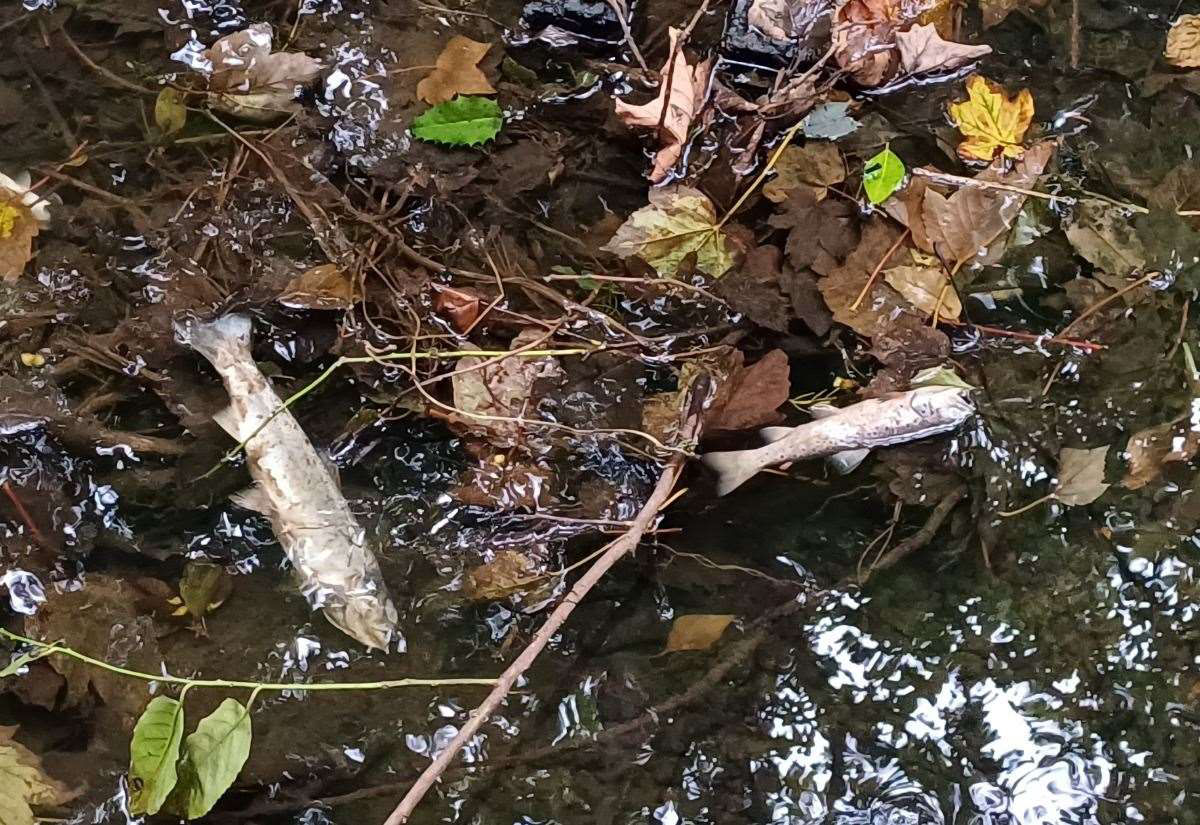
In several of our smaller streams, particularly those reduced to a series of isolated pools, volunteers have reported either no fish at all or fish showing clear signs of stress, including gasping at the surface. In contrast, a handful of larger rivers, especially those still flowing well and closer to their tidal reaches, appear to be holding up better. So what’s going on?
Warm Water, Low Oxygen
Water temperature is a critical part of the story. At around 22°C, which we are currently seeing in some streams, water simply cannot hold as much oxygen as it can in cooler conditions. At the same time, fish and other aquatic organisms actually need more oxygen because their metabolism increases in warmer water.
This creates a dangerous imbalance: less oxygen available, but greater demand for it.
What Do the Numbers Mean?
One of our measured dissolved oxygen (DO) readings this weekend was 4 no mg/L in a slow-moving, fragmented stream.
To put that into context:
8–9 mg/L → healthy conditions
6–7 mg/L → acceptable but not ideal
4–5 mg/L → onset of stress
3–4 mg/L → serious stress
below 3 mg/L → critical, potentially lethal
At 4 mg/L and 22°C, fish are already under physiological stress. In these conditions, even a small additional pressure can tip the system into crisis.
Why Some Streams Are Worse Than Others
The most affected streams share a common set of characteristics:
Very low flow or complete stagnation
Broken into isolated pools separated by gravel bars
Minimal mixing with the atmosphere
Organic material accumulating in pools
Each pool effectively becomes its own micro-environment. Oxygen is gradually used up by:
fish respiration
microbial activity breaking down organic matter
plant respiration (especially noticeable overnight)
Without flow to replenish it, oxygen levels can fall rapidly, particularly in the early morning when they are typically at their lowest.
This means that within a single stream, one pool might support life while the next becomes effectively uninhabitable.
The Hidden Role of Pollution
While heat and low flow alone can drive oxygen depletion, our wider monitoring suggests that organic pollution is often compounding the problem.
Where there are inputs such as sewage (including misconnections & septic tanks), agricultural runoff or decaying organic matter,
microbial activity increases, and with it the biological oxygen demand (BOD) - the amount of oxygen used up as material decomposes.
In warm conditions, such as those we are currently experiencing, this process accelerates, stripping oxygen from the water even faster.
If ammonia is present, the situation worsens further. At higher temperatures, ammonia becomes more toxic to fish, damaging their gills and reducing their ability to extract oxygen, precisely when they need it most.
What Fish Stress Looks Like
Volunteers have reported classic signs of oxygen stress:
Fish gasping at the surface
Fish congregating in the few areas of moving water
Lethargy or absence of fish in deeper pools
In more severe cases, fish may lose equilibrium or die, although even before that point, entire stretches of stream can effectively become devoid of visible life.
Why Some Rivers Are Coping Better
Encouragingly, not all sites are showing the same level of stress. Larger rivers, particularly those with stronger, sustained flow (like the Lymington) or closer to their tidal reaches are generally maintaining better oxygen levels. Flow allows continuous mixing with the air, replenishing oxygen and preventing the stagnation seen in smaller headwater streams.
What Happens Next
As we gather and analyse the full dataset from this testing weekend, we will build a clearer picture of where conditions are most severe and whether there are identifiable pollution sources contributing to the problem.
What is already clear, however, is that heat and low flow alone are enough to place many of our smaller streams under significant stress, and where pollution is also present, the impacts can be rapid and severe.
We will share further updates, including site-specific findings, as soon as results are complete.
In the meantime, observations from the public are invaluable. If you see fish gasping, dead fish, or streams reduced to stagnant pools, please let us know.
Our rivers are under pressure, and in hot, dry conditions like these, the signs are there for all of us to see.

Comments